
What to Expect in Your First MFT Supervision Session
Starting supervision brings excitement and nerves. Here is what happens in a first session and how to make the most of it from day one.
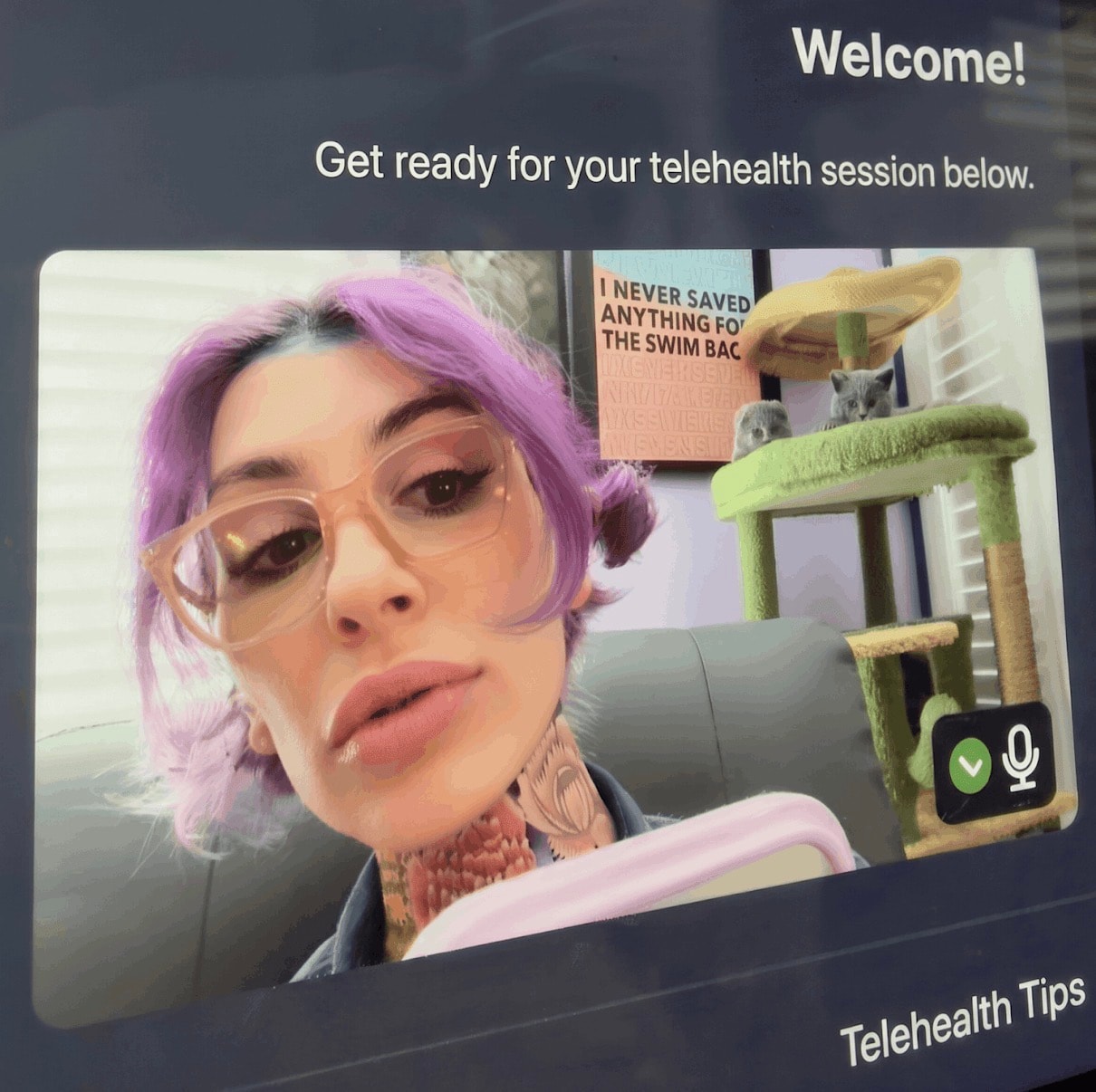 By Mx. Love C. Dialogos, LMFT · AAMFT Approved Supervisor
Starting supervision is a milestone that feels significant beforehand and often a little anticlimactic once it happens. You have found a supervisor, signed a contract, and scheduled the first session. Now you are wondering what you are supposed to do when you show up.
Usually less than you fear.
Here is what happens in a first supervision session, what to bring, and how to set up a productive relationship from the beginning.
What the First Session Is For
The first supervision session is an orientation. It is not a case presentation or a test of whether you are a good therapist.
Think of it as a getting-to-know-you conversation with professional stakes. Your supervisor is learning how you think and talk about your work, and what you need. You are learning how they supervise and whether this relationship is going to work for you.
You are both gathering information. That is the job of the first session.
What to Bring
Your supervision contract, signed. If you haven't signed it yet, the first session is when that happens. Read it carefully beforehand and know what you are agreeing to: meeting frequency, fees, how hours are documented, and what happens if the relationship needs to end.
A brief professional introduction. Your supervisor will want to know your clinical background: where you trained, the populations you work with, the theoretical orientation you lean toward, and where you are in your licensure timeline. You don't need a speech, but having this clear in your head will help you feel grounded.
One case to discuss, loosely. Many supervisors ask you to bring a case to the first session, to get a sense of how you think clinically rather than for deep consultation. Pick a case you are curious about instead of your most complex one. The point is to show your thinking without overloading the first meeting.
Your questions. You are allowed to have expectations of supervision. What do you want from this relationship? What is hardest about the work right now? What was missing from supervision you've had before? Knowing your own answers, even if you don't say all of them out loud the first time, will help you take an active part.
What Your Supervisor Will Likely Cover
Every supervisor structures the first session differently. Most cover some version of the following.
The contract and logistics. Even if you've signed the contract, your supervisor will probably walk through it: meeting frequency, how to reach them between sessions, how hours are documented, and how you'll submit hours to your board at the end of your pre-licensed period.
Their supervision model. A good supervisor will tell you how they supervise, including the frameworks they draw on, how they structure sessions, what preparation they expect, and how they give feedback. Pay attention here. It tells you a lot about what the relationship will feel like.
Your goals. Most supervisors will ask what you want from supervision. It is an invitation to be honest about where you are in your development. The more specific you can be, the more useful the relationship becomes.
An initial case discussion. Many supervisors use the first session to hear about at least one case to get a baseline sense of your clinical thinking.
What You Might Feel
Nervous. Eager to impress. Unsure how much to share. Relieved it wasn't as scary as you expected, and maybe a little let down that it wasn't more dramatic.
All of that is normal.
The supervisory relationship takes time to develop. The first session is where trust starts to become possible. You won't leave it knowing whether this supervisor is right for you. You'll leave with a first impression and the beginning of a working relationship.
Give it three or four sessions before you draw conclusions about fit.
The Question to Ask Yourself Afterward
After your first session, one question is worth sitting with: Did I feel like I could be honest here?
Comfort isn't the measure, because supervision should push you. Validation isn't either, because supervision should challenge you. The measure is honesty. Could you bring your actual clinical struggles and your real countertransference without performing a competence you don't have yet?
If the answer is yes, even tentatively, you are in a good place to start.
If the answer is no, pay attention. Supervision has a built-in power differential: your supervisor evaluates you, and that evaluation affects your license. That differential should not make honesty feel dangerous. If it does, name it, either in supervision or in deciding whether this is the right fit.
Starting Supervision with Me
My first sessions follow a clear structure. We review the supervision contract together, I explain how I supervise and what I expect, you tell me where you are in your clinical development and what you need, and we discuss one case to get a baseline sense of your thinking.
I supervise entirely via telehealth and hold active LMFT licenses in Alaska, Arizona, Florida, Hawaii, Idaho, Illinois, Indiana, Michigan, New Mexico, New York, Ohio, Texas, and Wisconsin. If you are working toward licensure in one of those states and want supervision that takes your clinical development and your whole identity seriously, request a session.
Mx. Love C. Dialogos is an LMFT and AAMFT Approved Supervisor offering queer-affirming clinical supervision via telehealth. Verify credential in the AAMFT directory.
Related Reading
Explore Topics
Written by
Mx. Love C. Dialogos
Mx. Love C. Dialogos (they/them) is a queer, genderless womxn, Licensed Marriage & Family Therapist, and AAMFT Approved Supervisor offering queer-affirming clinical supervision for LMFT-Associates across 15 U.S. states via telehealth. They write about queer-affirming clinical practice, supervision, and the intersection of Buddhist Psychology and therapy.


