
Trauma-Informed Supervision When Your Client Has Experienced Abuse
What trauma-informed supervision looks like when a pre-licensed MFT works with survivors of sexual abuse or IPV, and why it matters for clinician and client.
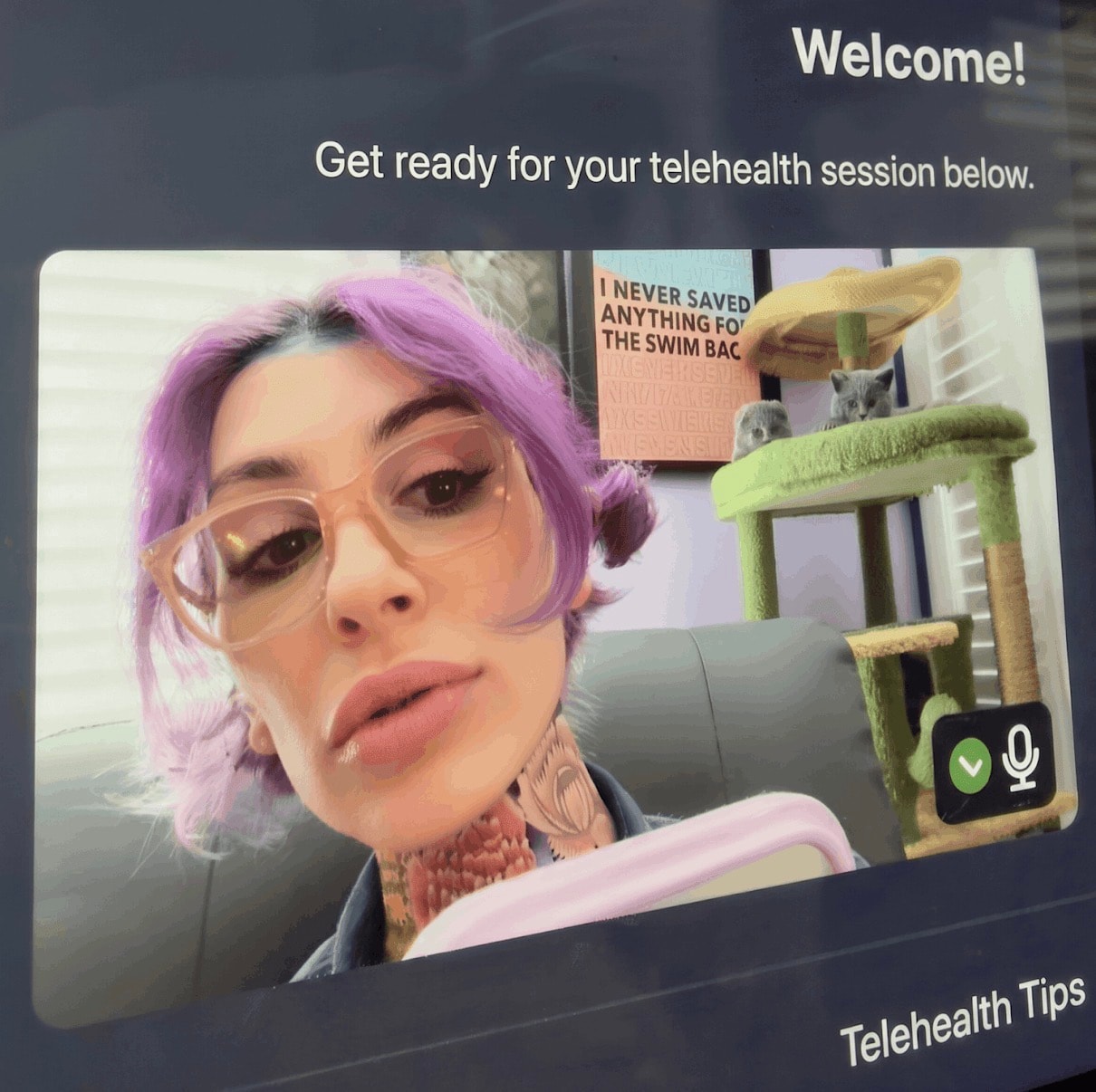 By Mx. Love C. Dialogos, LMFT · AAMFT Approved Supervisor
One version of clinical supervision treats trauma work as a technical problem. The supervisor asks about the intervention, reviews the documentation, checks the mandatory reporting box, and moves on.
That isn't enough.
When a pre-licensed MFT works with survivors of sexual abuse or intimate partner violence, supervision has to do more than manage clinical and ethical logistics. It has to attend to the clinician, including what the work is stirring up in them and what they need to stay effective over time.
That is trauma-informed supervision, and it matters for the clinician and for their clients.
What Makes Supervision "Trauma-Informed"
Trauma-informed supervision brings the principles of trauma-informed care into the supervisory relationship: safety, trustworthiness, choice, collaboration, and empowerment.
In practice, that means the following.
Safety in the supervisory relationship. A supervisee working with trauma survivors needs to bring the full complexity of that work to supervision, including their emotional responses and mistakes and the ways the work is affecting them personally. That requires a relationship where it is safe not to know and to be affected.
Attention to parallel process. Trauma moves through systems. Dynamics from a client's trauma, like shame or a collapse of trust, can show up in the supervisory relationship and mirror what is happening in therapy. A trauma-informed supervisor watches for this and names it.
Direct attention to vicarious trauma. Working with trauma survivors changes clinicians. That reflects sustained exposure to human suffering, not weakness or poor boundaries. Trauma-informed supervision makes room to talk about it openly instead of leaving the supervisee to manage it privately.
Pacing and titration. Trauma treatment attends to the client's window of tolerance, and trauma-informed supervision attends to the supervisee's capacity. Not every session needs to go deep into the hardest material. Sometimes the supervisee needs to process what happened before they can think clinically about next steps.
Vicarious Trauma: What It Is and Why It Matters
Vicarious trauma, closely related to secondary traumatic stress and compassion fatigue, is the cumulative effect of exposure to clients' traumatic material on the clinician's own psychological functioning.
It differs from burnout, though the two can occur together. Vicarious trauma involves changes in the clinician's worldview and sense of safety, and in their capacity for trust, that come from sustained empathic engagement with survivors.
Signs in pre-licensed MFTs may include:
- Intrusive thoughts or images related to clients' disclosures
- Trouble sleeping, or sleep disrupted by work content
- Hypervigilance or heightened anxiety outside work
- Emotional numbing or detachment, a sense of going through the motions
- Shifts in worldview: more cynicism, less hope, doubt that healing is possible
- Difficulty keeping work and personal life separate
- Physical signs such as fatigue or changes in appetite
None of these mean a clinician is doing something wrong. They mean the work is affecting them, which happens when you do it with presence and care.
The real question is whether supervision will make room to address it.
What to Bring to Supervision
If you are a pre-licensed MFT working with trauma survivors, bring more than the clinical and ethical questions.
Your emotional response to the material. What did you feel in the session? What are you still carrying? What moments are staying with you?
What the work is activating in you. Trauma work often touches clinicians' own histories. You don't need to disclose your personal history to your supervisor, but be honest about whether the work is touching something that needs attention.
Your relationship with the client. How is the alliance? Are you feeling pulled toward the client in ways that concern you, or distant from them? Are you dreading sessions?
Your clinical confidence. Do you feel competent in this work? Are parts of the client's presentation beyond your current training? Are you avoiding topics because you aren't sure how to handle them?
Your self-care. What are you doing outside work to sustain yourself, and is it working?
A supervisor who only wants to hear about interventions isn't giving you what you need. A supervisee who only brings clinical questions isn't getting the full benefit of supervision.
When the Supervisee Has Their Own Trauma History
Many people enter the mental health field partly because of their own experiences with trauma or adversity. That doesn't disqualify anyone, and it is often a source of clinical wisdom and empathy.
It does mean trauma work can activate the clinician's history in ways that need attention.
Trauma-informed supervision holds this carefully. It doesn't require supervisees to disclose personal history or treat that history as a liability. It does make room for supervisees to notice when the work is touching something personal and to get support, in supervision, in their own therapy, or both.
The aim is to make sure the clinician's personal response is attended to so it doesn't become an unexamined force in the clinical work.
Supervision as a Model
Supervision models the therapeutic relationship for pre-licensed MFTs.
If you are learning trauma-informed therapy inside supervision that isn't trauma-informed, where uncertainty feels unsafe and your emotional responses are treated as problems to manage, you are learning the wrong lesson about what a therapeutic relationship can be.
Trauma-informed supervision shows what it looks like to hold someone's experience with care and attend to the relationship along with the task. That modeling shapes the kind of clinician you become.
Finding the Right Supervision
If you work with trauma survivors and your supervision isn't meeting your needs, take that seriously. Maybe it stays on logistics, or it doesn't understand LGBTQ+ survivors.
You deserve supervision that can hold the full complexity of your clinical work, and your clients deserve a clinician who is well supported.
Mx. Love C. Dialogos is an LMFT and AAMFT Approved Supervisor offering queer-affirming, trauma-informed clinical supervision via telehealth. Licensed in Wisconsin, Illinois, New York, Texas, Florida, Arizona, Ohio, Michigan, Indiana, New Mexico, Hawaii, Idaho, and Alaska. request a session.
Related Reading
- When Clients Disclose Sexual Abuse: A Guide for Pre-Licensed MFTs
- Managing Countertransference When Working with Trauma Survivors
- IPV in Queer Relationships: What Clinicians Need to Know
- Countertransference When Working with Queer Clients
- How to Choose a Queer-Affirming MFT Supervisor
- What to Expect in Your First MFT Supervision Session
Explore Topics
Written by
Mx. Love C. Dialogos
Mx. Love C. Dialogos (they/them) is a queer, genderless womxn, Licensed Marriage & Family Therapist, and AAMFT Approved Supervisor offering queer-affirming clinical supervision for LMFT-Associates across 15 U.S. states via telehealth. They write about queer-affirming clinical practice, supervision, and the intersection of Buddhist Psychology and therapy.


